
Coffee shops and cafes in Connecticut typically need four core coverages: general liability for hot-beverage burns and customer slips, a business owners policy with equipment breakdown to protect espresso machines and grinders, spoilage coverage for dairy and pastry inventory, and workers’ compensation, which Connecticut requires for every employer regardless of headcount. Delivery or catering orders add hired and non-owned auto.
This page is for owners of independent cafes, espresso bars, bakery-cafes and drive-thru coffee kiosks from Greenwich to New London and up through Hartford County. Whether you are opening, renewing or adding a second location, the sections below explain what Connecticut law requires and where cafe claims come from. For the broader picture, see our national coffee shop insurance guide.
Connecticut rules that shape a cafe’s insurance program
Workers’ comp has no small-employer exemption. Under Conn. Gen. Stat. § 31-284(b), every employer must insure its full liability with an authorized insurer or qualify as a self-insurer, and the statute sets no minimum number of employees. A cafe with one part-time barista is an employer. Connecticut has no state fund; coverage comes from private carriers, with an NCCI-administered residual market for businesses that cannot find a voluntary carrier. Our Connecticut restaurant workers’ compensation page covers penalties and pricing.
Food safety oversight is local. Your food establishment permit and inspections come from your town health department or regional health district, working under the Connecticut Food Code (the FDA Food Code, fully in effect statewide since February 17, 2023). State law requires a certified food protection manager in Class 2, 3 and 4 establishments, plus a designated alternate when the manager is out. A cafe that moves from drip coffee and packaged muffins to made-to-order breakfast sandwiches can move into a higher class, so ask your health director before expanding the menu.
Where coffee shop claims actually come from
A cafe looks low-risk until you walk through a busy morning. A to-go lid pops off at the hand-off counter and a customer takes a scald from a large americano. In January, slush tracked in from a Stamford sidewalk turns the tile by the door into a skating rink, and a commuter goes down with a fractured wrist. Mats, a wet-floor sign and a written mopping log all matter when the adjuster asks what you did.
Allergens are a quieter exposure. A barista grabs almond milk instead of oat milk for a customer with a tree nut allergy, or a scone baked on shared trays carries traces the menu board did not mention. How you train, label and document substitutions affects both the claim and your future pricing.
Equipment is the other big story. An espresso machine’s boiler or pump can fail on a Saturday, and a nor’easter that knocks out power along the shoreline can spoil a full reach-in of milk, cream and cold brew. Pipes that freeze during a January cold snap can soak your back room overnight. Your staff face steam-wand burns, knife cuts in pastry prep and strains from lifting milk crates, all of which run through workers’ comp.
Checklist: coverages a Connecticut cafe should review
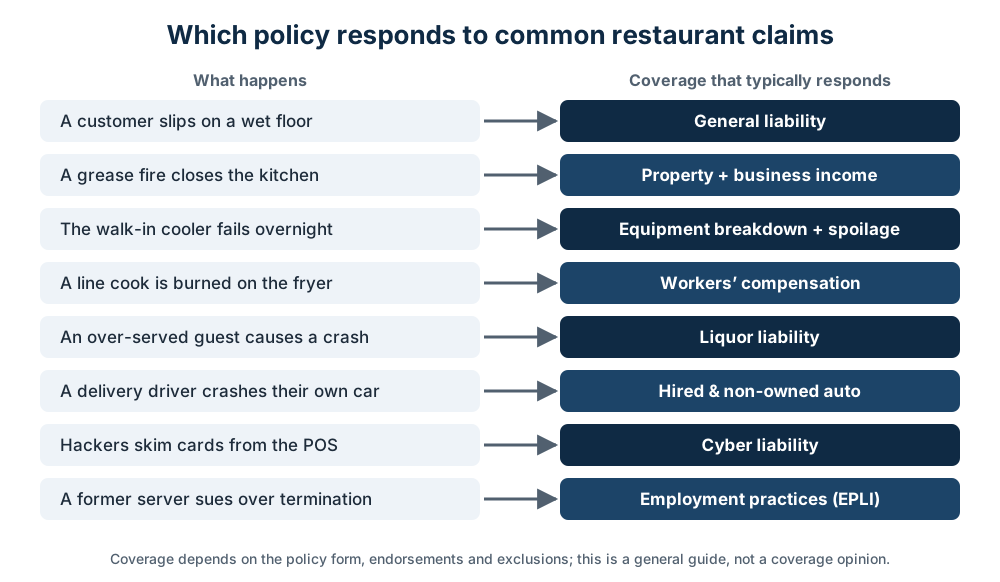
- General liability — responds to customer burns from hot drinks, slip-and-fall injuries and allergen reactions.
- Products-completed operations — covers illness or injury tied to food and beverages you sold after they leave the counter.
- Commercial property or a business owners policy — protects build-out, furniture, POS hardware and inventory from fire, theft and wind.
- Equipment breakdown — pays to repair or replace espresso machines, grinders, ovens and refrigeration after mechanical or electrical failure.
- Spoilage — reimburses dairy, cold brew and pastry stock lost when a cooler dies or the power goes out in a storm.
- Business income — replaces lost revenue and keeps up payroll while a covered loss forces you to close.
- Workers’ compensation — required for every Connecticut employer and covers steam burns, cuts and lifting strains.
- Hired and non-owned auto — protects the business when an employee drives a personal car for catering drop-offs or supply runs.
- Cyber liability — helps with breach response if your POS, loyalty app or online ordering system is compromised.
What moves a cafe’s premium up or down
Carriers price coffee shops on annual sales, square footage, payroll by job class, whether you cook on premises (panini presses and ovens raise the fire exposure compared with a pour-over bar), hours and the age and condition of the building. A shoreline storefront in Milford or Westport may draw more scrutiny for wind and flood than a strip-mall unit in Waterbury.
You can influence pricing. Keep hood and duct cleaning records if you cook with grease, service the espresso machine on a schedule, install a temperature alarm on refrigeration, use lids rated for the drink temperature, and train staff on allergen substitutions. For workers’ comp, accurate payroll classification and a simple return-to-work plan help keep your experience mod in check.
Quoting a Connecticut cafe with an independent agency
Provident Financial Group is an independent agency, so you fill out one application and we compare multiple carriers side by side. Once you choose a policy, we can issue certificates of insurance to your landlord, a farmers market organizer or an office park that books your coffee cart. Call (866) 964-6660 or start online; coverage is always subject to underwriting and policy terms. You can also read our Connecticut restaurant insurance overview.
Frequently asked questions
Does a one-person coffee shop in Connecticut need workers’ comp?
If you have even one employee, yes. The statute requires every employer to insure its liability with no minimum headcount; ask us how owners themselves are treated for your entity type.
Will my policy cover a customer burned by a hot drink?
General liability is the policy that typically responds to a customer’s burn claim, subject to the policy’s terms. Consistent lids, sleeves and hand-off procedures help you defend these claims.
Is spoilage included in a standard business owners policy?
Some policies include a small amount of spoilage coverage and others require an endorsement. We check the limit and whether off-premises utility outages are covered.
Do I need a food protection manager for my cafe?
Connecticut requires one in Class 2, 3 and 4 food establishments. Your local health director assigns the class based on your menu, so confirm yours before opening or adding hot food.
Whether you run a single espresso bar or a growing group of cafes, we can put several carriers’ options in front of you quickly. Get Multiple Quotes within minutes.