
Coffee shops and cafes in Indiana typically need general liability (with products coverage for hot drinks and pastries), a business owner’s policy or commercial property with equipment breakdown for espresso machines and refrigeration, business income, and workers’ compensation. Indiana requires workers’ comp for covered employers with no minimum employee count, so even a cafe with a few part-time baristas needs a policy.
This page is for independent coffee shops, drive-thru coffee kiosks, bakery-cafes and roaster-cafes around Indiana, from college-town spots in Bloomington and West Lafayette to commuter drive-thrus off the interstate. Cafes look simple on paper, but hot liquids, early hours and expensive machines create a specific pattern of claims that a generic retail policy may not handle well.
What Indiana expects from a cafe owner
Retail food establishments in Indiana are regulated under the Indiana Food Code (410 IAC 7-24) by the Indiana Department of Health’s Food Protection Program together with local county health departments, which handle permits and inspections. If your menu includes cooking raw animal foods, such as made-to-order breakfast sandwiches with raw eggs or bacon, state law (IC 16-42-5.2) requires at least one certified food protection manager responsible for all hours of operation. Limited-prep operations are exempt, so a cafe that only pours drinks and sells wrapped pastries may fall outside the rule; confirm your status with your county health department.
Workers’ compensation is mandatory for covered employers under IC 22-3-5-1, and the statute does not set a small-employer exemption based on headcount. If you are a sole proprietor or LLC member working the bar yourself, you are not covered unless you elect in writing. Our Indiana restaurant workers’ comp guide explains the elections and penalties. Landlords in strip centers and downtown buildings will also ask for general liability with additional insured status before handing over keys.
Scalds, spills and espresso machines: cafe loss scenarios
The signature cafe claim is a burn. A lid pops off a to-go cup at the handoff window, and a customer suffers second-degree burns on her lap; the claim alleges the coffee was served too hot and the lid was not secured. Drive-thru service adds a twist, since the injury happens in the customer’s car and the facts are harder to reconstruct. Clear serving procedures and a temperature policy you actually follow matter when these claims arrive.
Spilled drinks and melting ice make floors slick near the pickup counter, and the morning rush is when someone goes down. Allergens are a growing exposure too: oat, almond and soy milks share steam wands with dairy, and a nut-based syrup or pastry mix-up can cause a serious reaction. On the property side, a commercial espresso machine is one of the most expensive items in the building, and a boiler failure or electrical surge can idle the shop for days. A frozen pipe over a January weekend can soak the dining room.
Employees face steam burns from wands, cuts from broken glassware and repetitive strain from tamping and pulling shots for hours. Opening shifts before dawn also raise questions about robbery and employee safety.
Coffee shop coverage worth having
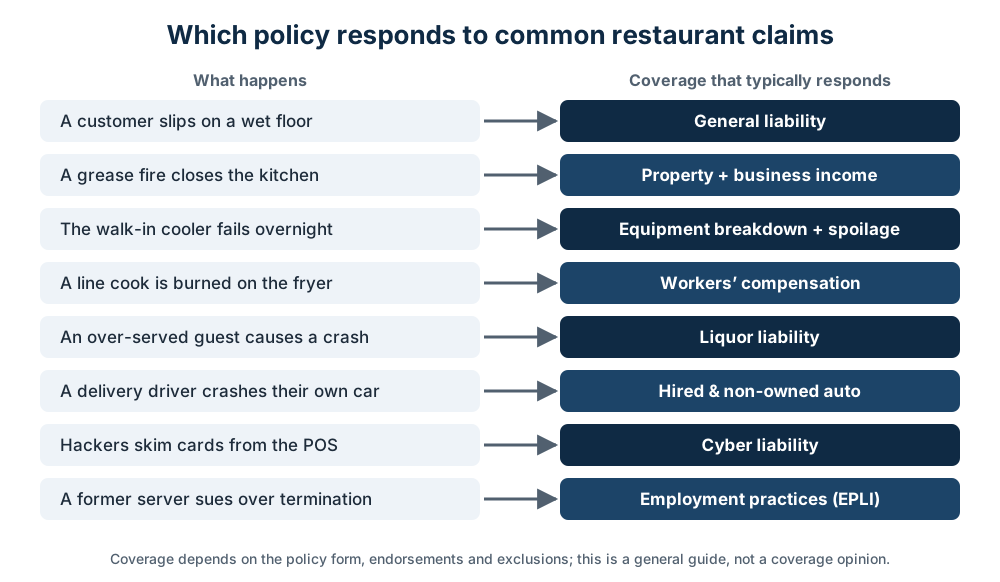
- General liability — customer slips, scalds and allergic reactions tied to what you serve.
- Products liability (within GL) — pastries, bottled cold brew or retail beans you sell to go.
- Commercial property or a business owner’s policy — espresso machines, grinders, furniture, build-out and inventory.
- Equipment breakdown — boiler, electrical and compressor failures that general property forms exclude.
- Spoilage — milk, pastries and refrigerated stock lost when a cooler dies.
- Business income — lost revenue while a damaged machine or storefront is repaired.
- Workers’ compensation — steam burns, cuts and strain injuries for baristas.
- Cyber liability — card data and online ordering systems that attract fraud.
- Hired and non-owned auto — staff running catering orders or supply runs in their own cars.
What moves a cafe’s premium up or down
Carriers look at gross sales, square footage, whether you cook on site and with what equipment, drive-thru service, hours, building age and construction, alarms, and prior claims. A cafe using a panini press and toaster oven rates differently from one running a flat-top and fryer. Adding beer or wine service changes the picture entirely and adds liquor liability to the program.
To keep pricing in check, use lids and sleeves consistently, post allergen information, mat and clean the pickup zone during rushes, service espresso machines on schedule and keep records, and stick to a documented opening and closing routine. Bundling property and liability in a business owner’s policy often costs less than buying them separately, subject to eligibility.
How we quote coffee shops across Indiana
Provident Financial Group is an independent agency, so a single application lets us compare quotes from multiple carriers side by side. We highlight differences in equipment breakdown, spoilage limits and deductibles, then issue live certificates of insurance your landlord or a farmers market manager can get right away. Call (866) 964-6660 with questions.
Frequently asked questions
Does a cafe need a certified food protection manager in Indiana?
Only if it cooks raw animal foods; limited-prep operations are exempt. Your county health department can confirm which category your menu falls into.
Will my policy pay if a customer is burned by hot coffee?
General liability is the coverage that responds to customer bodily injury claims like scalds, subject to your policy terms. It pays defense costs as well as settlements or judgments within limits.
Is my espresso machine covered if it just breaks?
Standard property coverage usually excludes mechanical or electrical breakdown. Equipment breakdown coverage fills that gap and can include the income you lose while waiting on repairs.
I run a drive-thru kiosk. Is that insured differently?
Kiosks are usually written on similar forms, but carriers look closely at vehicle traffic, the building itself and cash handling. Tell us whether you own or lease the structure so property coverage is set correctly.
Pouring coffee in Indiana? Get Multiple Quotes within minutes. Or call (866) 964-6660.