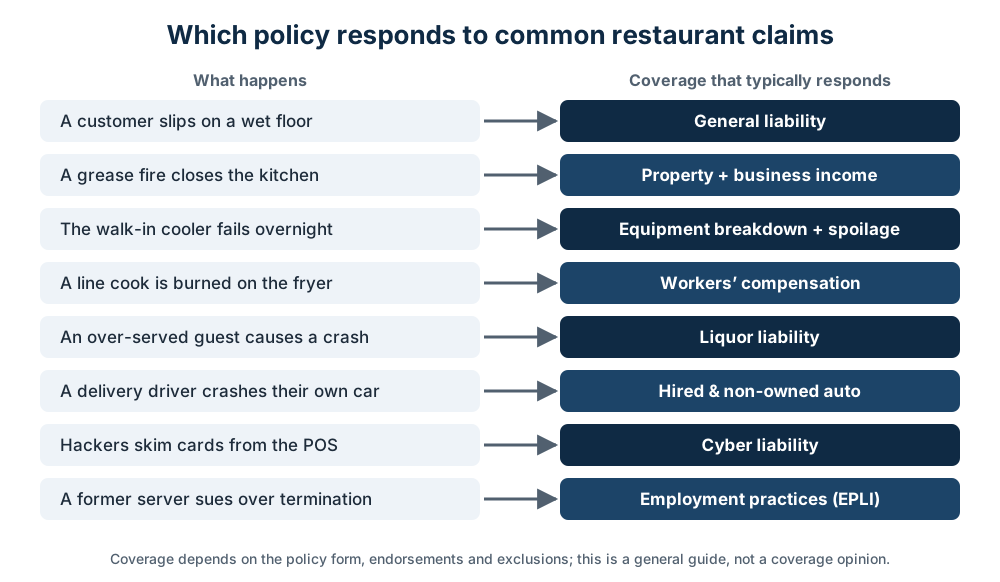
Few incidents are as common in a restaurant as a guest or employee slipping on a wet floor. Spilled drinks, mopped tile, a tracked-in rain puddle, a stray ice cube near the bar: any of these can lead to a fall, an injury, and a claim. Understanding how premises liability coverage typically responds can help you decide whether your policy limits and procedures are where they should be.
Why Restaurants Are Prone to Slip-and-Fall Claims
Restaurants combine several of the ingredients that often lead to falls: hard floors, liquids, grease, heavy foot traffic, tight spaces, and dim lighting. Entryways, restrooms, the area around the drink station, and the path from the kitchen to the dining room are common trouble spots. Outdoor patios and parking lots add weather, uneven pavement, and curbs to the list.
Because guests are invited onto your property, the law in most states expects a business to take reasonable care to keep the premises safe. What counts as reasonable varies by state and by the facts of the situation, so it is worth asking your attorney or agent how the rules apply where you operate.
What General Liability Typically Covers
A commercial general liability policy, whether written on its own or as part of a business owner’s policy, often responds to claims that a guest was injured on your premises. It may help pay for the injured person’s medical expenses, legal defense costs, and a settlement or judgment, up to the policy limits and subject to the policy’s terms and exclusions.
Many policies also include a separate medical payments coverage. This is typically a smaller limit that may pay a guest’s reasonable medical bills after an accident regardless of fault, which can sometimes help resolve minor injuries before they turn into larger disputes. The exact limit and conditions vary by policy.
What a Liability Policy May Not Cover
Your own employees who slip and fall are generally handled through workers’ compensation rather than general liability. That is a separate policy with its own rules, and most states require employers to carry it.
Damage to your own building and equipment is usually a property insurance question. And claims that exceed your general liability limit can leave the business exposed, which is one reason many restaurants look at an umbrella or excess liability policy. Policies may also contain exclusions or conditions that affect certain claims, such as injuries connected to an assault or to a contractor’s work, so reading the details matters.
What Happens After a Fall
How a restaurant responds in the first few minutes and hours often shapes how a claim unfolds. Common practices include helping the guest, offering to call for medical assistance if appropriate, and documenting what happened in a written incident report. Many owners also take photos of the area, collect names of witnesses, and note the date, time, and conditions.
It is usually wise to avoid guessing about fault or making promises about payment at the scene. Instead, notify your insurance agent or carrier promptly, since most policies require timely notice of an incident that may lead to a claim. Waiting can create problems with coverage, so report even if the injury seems minor.
Practical Ways to Reduce the Risk
Insurance responds after something goes wrong, but good habits can make a fall less likely in the first place. Many restaurants find these steps helpful:
Use wet-floor signs promptly and clean spills quickly, and train every shift to treat spills as everyone’s job. Choose slip-resistant mats at entrances and in kitchen and bar areas, and keep them in good repair. Encourage non-slip footwear for staff. Keep walkways, stairs, and exits well lit and free of clutter, and inspect patios and parking areas for uneven surfaces or standing water. Keep a simple cleaning and inspection log, because records showing regular attention to safety can be valuable if a claim arises.
Talk to an Independent Agent About Your Limits
Every restaurant’s exposure is different. A busy bar with a patio faces different risks than a small daytime cafe. An independent insurance agent can review your current general liability limits, medical payments coverage, and any umbrella options, and help you compare how different carriers handle restaurant risks. If you would like a second set of eyes on your policy, reach out to talk it through with an independent agent before your next renewal.