
Pizzerias in Connecticut typically need hired and non-owned auto (or commercial auto) for delivery drivers, property and equipment breakdown for high-heat ovens, general liability for customer injuries and food claims, liquor liability if they pour beer or wine, and workers’ compensation, which Connecticut requires of every employer with no minimum headcount.
Connecticut takes its pizza seriously, from New Haven apizza joints running coal-fired ovens to family shops in every town center. This page is for owners of sit-down and takeout pizzerias, including those that rely on third-party apps or their own drivers. For a general overview, visit our national pizzeria insurance page.
Delivery drivers and Connecticut’s auto requirements
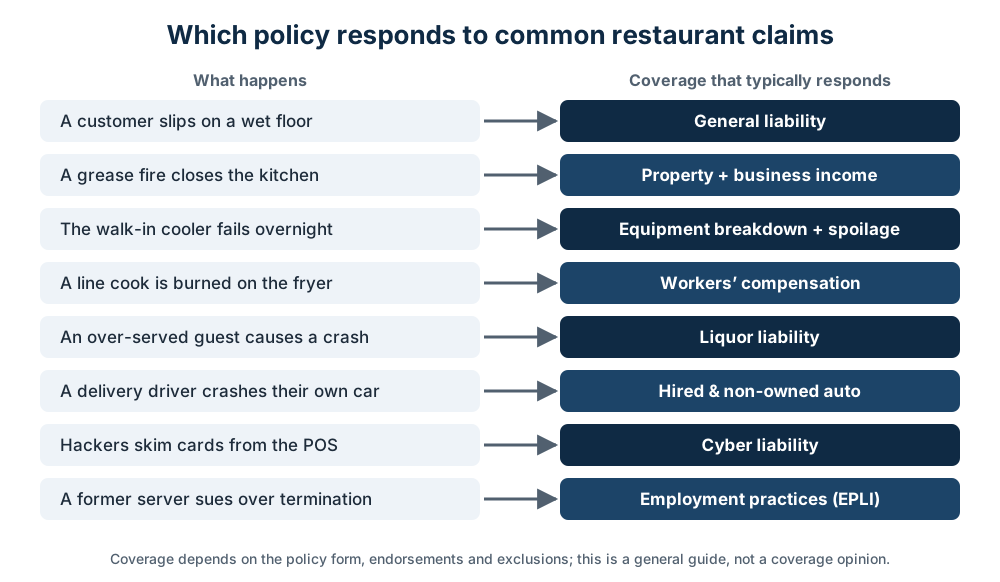
Delivery is where many pizzeria policies have holes. Connecticut’s minimum auto liability limits are 25/50/25 (in thousands of dollars), and drivers must also carry uninsured/underinsured motorist coverage of at least 25/50 (in thousands). When your employee delivers in their own car and causes a crash, their personal policy may exclude business delivery, and the injured party will look to your pizzeria. Hired and non-owned auto liability protects the business in that situation; if you own delivery cars, you need a commercial auto policy on them, ideally above the state minimums.
Third-party delivery apps shift some exposure but not all of it. Read your platform agreement; a food illness claim from a delivered pie still points back to your kitchen.
Beer, wine and the Dram Shop Act for pizza places
Many Connecticut pizzerias pour draft beer or house wine. The Dram Shop Act, Conn. Gen. Stat. § 30-102, makes anyone who sells alcohol to an intoxicated person liable if that person injures someone else, with written notice required within 120 days (180 in cases of death or incapacity) and suit within one year. Liquor liability insurance is not required by statute, but your general liability policy likely excludes alcohol claims if you are in the business of selling it. New permit applicants must now complete DCP’s Liquor Law Education Program. See our Connecticut liquor liability page for more.
Oven fires, slicers and late-night risks
Coal and wood-fired ovens bring hazards gas deck ovens do not. Hot ash dumped into a plastic bin on the back step can smolder into a building fire hours after close. Creosote builds up in flues and needs regular cleaning. Underwriters ask about ash handling, clearance to combustibles and chimney service, and the answers affect both eligibility and price.
In the kitchen, dough mixers, sheeters and meat slicers cause serious hand injuries, and pizza peels and 600-degree decks mean forearm burns are routine. Counter staff lift cases of cheese and flour all shift. Late closing hours bring a different exposure: a driver robbed on a dark street in Bridgeport or a cashier confronted at the register. All of these run through workers’ comp.
Customers slip on wet floors near the soda fountain, bite into a stray piece of a metal scraper, or react to an undisclosed ingredient in a specialty pie. Winter adds icy parking lots and entryways, and a nor’easter power outage can spoil a walk-in full of cheese and dough.
A pizzeria’s must-have coverage list
- Hired and non-owned auto — the key protection when employees deliver in their own vehicles.
- Commercial auto — required for pizzeria-owned delivery cars; limits above 25/50/25 are worth considering.
- General liability — covers customer slips, foreign-object and allergen claims in the dining room and on delivered orders.
- Liquor liability — for pizzerias selling beer or wine, since general liability typically excludes alcohol-related claims.
- Commercial property — covers the building or improvements, ovens, furniture and inventory against fire and storms.
- Equipment breakdown — pays for failures of mixers, walk-ins, deck ovens and HVAC.
- Business income — replaces lost revenue while an oven fire or burst pipe keeps you closed.
- Workers’ compensation — required for all Connecticut employers, including part-time drivers.
Rating factors behind a pizzeria quote
Carriers look at gross sales, delivery share of sales and number of drivers, driver ages and records, oven type (coal and wood draw extra fire questions), alcohol as a percentage of sales, hours, building construction and loss history. A shop that closes at 2 a.m. with cash on hand is viewed differently from one that closes at 9.
To improve your terms, check every driver’s motor vehicle record before hire and annually, require drivers to carry adequate personal auto limits, keep ash in covered metal containers away from the building, document flue and hood cleaning, guard slicers and mixers, and keep cash on hand low with a drop safe.
Compare pizzeria policies without repeating your application
As an independent agency, Provident Financial Group takes one application and shops multiple carriers side by side, so you see liability, auto, liquor and comp options together. We also issue certificates of insurance for your landlord or a delivery platform. Call (866) 964-6660. Coverage is subject to underwriting and policy terms. See our Connecticut restaurant insurance and Connecticut restaurant workers’ compensation pages for more.
Frequently asked questions
My drivers use their own cars. Is their personal auto insurance enough?
Often not. Many personal auto policies exclude delivery for pay, so hired and non-owned auto coverage protects the pizzeria if a driver’s claim is denied or exceeds their limits.
Do coal-fired ovens make a pizzeria harder to insure?
Some carriers decline them and others ask detailed questions about ash disposal, clearances and flue cleaning. An independent agent can find carriers comfortable with solid-fuel ovens.
If I only sell beer and wine, do I still need liquor liability?
It is not required by statute, but the Dram Shop Act applies to anyone who sells alcohol, and general liability commonly excludes those claims. Most pizzerias that pour should carry it.
Are delivery drivers covered by workers’ comp?
Yes, drivers on your payroll are employees, and Connecticut requires coverage for every employer. Classify their payroll correctly for an accurate premium.
From one-oven slice shops to multi-location delivery operations, we can compare carriers for you. Get Multiple Quotes within minutes.