Adding a patio, sidewalk tables, or a rooftop bar is one of the most reliable ways for a restaurant to add seats without adding rent. But outdoor service changes your risk profile in ways many owners never mention to their insurance agent — and in ways some policies quietly don’t contemplate. Before the umbrellas go up, it’s worth understanding what outdoor dining does to your coverage.
None of this is a reason to skip the patio. It’s a reason to make sure your policy actually describes the restaurant you’re running now, not the one you opened with.
Your Premises Just Got Bigger — Does Your Policy Know?
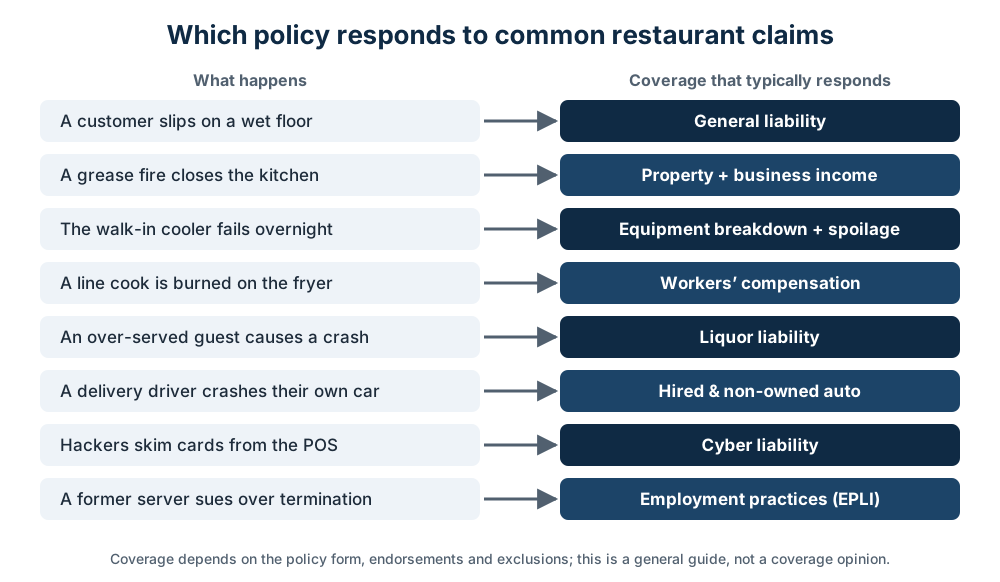
General liability coverage applies to your premises and operations, but the definition of your premises matters. Sidewalk seating often sits on city property under a permit or encroachment agreement. A leased parking-lot patio may fall outside the square footage described in your lease and your policy. If a guest trips over a sidewalk table leg or a heater tips onto a passerby, you want no debate about whether that spot counts as your insured premises. Telling your carrier about outdoor seating — and showing your agent the permit or lease language — typically resolves this before it’s ever tested.
Municipal Permits Usually Come With Insurance Strings
Most cities that allow sidewalk cafés require the restaurant to carry specified liability limits and to name the municipality as an additional insured on the policy. Landlords often want the same for patio space. These are routine requests an agent can handle quickly with an endorsement and a certificate of insurance — but discovering the requirement the week your permit renews, or worse, after an incident, is avoidable stress.
Furniture, Heaters, Umbrellas, and Wind
Outdoor furniture and equipment face weather your dining room never sees. A summer storm can scatter umbrellas across a parking lot; a freeze can crack a fountain; smoke from a patio heater can stain an awning. Check whether your property coverage extends to business personal property in the open air, and at what limit — some forms restrict or sublimit property located outside the building. Propane heaters deserve special attention: carriers may ask about storage, spacing, and staff training, and a heater-related fire on a crowded patio is exactly the kind of claim underwriters ask questions about afterward.
Alcohol Outside the Four Walls
If your liquor license and your liquor liability coverage were written for interior service, confirm both extend to the patio. License boundaries are usually drawn precisely, and serving outside the licensed area can create both regulatory trouble and coverage questions. Outdoor service also makes it easier for drinks to walk to the sidewalk or for passersby to blend into the service area, so staff need clear rules about where alcohol may go. Liquor liability claims often turn on the details of who was served, where, and how much — a well-run patio keeps those details clean.
Sidewalk Boards, Planters, and the Path of Travel
Outdoor dining adds obstacles to public walkways: A-frame signs, planters, rope-and-stanchion barriers, cords for string lights. Each is a trip hazard, and accessibility rules generally require maintaining a clear path of travel for wheelchairs and pedestrians. Claims from people who never intended to be customers — they were just walking past — are a signature outdoor-dining exposure. A nightly walk-through with a checklist is cheap insurance on top of your insurance.
Seasonal Closures and What Happens to Coverage
Many patios operate part of the year. If you stack furniture and shut the space each winter, tell your agent how equipment is stored — theft and vandalism of stored outdoor property is a common cold-season claim. And if outdoor seats meaningfully increase your revenue, make sure your business interruption values reflect peak-season income, so a summer kitchen fire doesn’t get reimbursed at winter numbers.
A Ten-Minute Conversation Before Patio Season
Outdoor dining touches property, liability, liquor, and business income coverage all at once, which is why it’s worth a short review rather than a guess. An independent agent can confirm your premises description, add the city or landlord as additional insured, check your outdoor property limits, and verify the patio is inside your liquor coverage — usually in a single conversation. If you’re planning outdoor seating or already serving on one, have that conversation before the busy season, not after the first incident report.