
Fine dining restaurants in Connecticut typically need liquor liability sized to a meaningful bar and wine program, property coverage that reflects high-end build-out and wine inventory, general liability for guests and private events, employment practices liability, and workers’ compensation, which Connecticut requires of every employer. Restaurants offering valet parking should also address garagekeepers coverage.
This guide is for chef-driven restaurants, steakhouses, country inns and waterfront dining rooms from Greenwich and New Canaan to the Litchfield Hills and the shoreline. Fine dining concentrates value: expensive finishes, cellared wine and a guest list that expects flawless service. The national fine dining insurance page covers the basics.
Connecticut alcohol law and a serious wine program
Under Connecticut’s Dram Shop Act, Conn. Gen. Stat. § 30-102, anyone who sells alcohol to an intoxicated person is liable when that person then injures someone else or damages property. Damages under the statute are capped at $250,000 per injured person and $250,000 in the aggregate, with written notice due within 120 days (180 days for death or incapacity) and suit within one year. There is no statutory negligence claim for sales to guests 21 or older, but common-law claims for wanton or reckless service fall outside the cap, and those are the claims that follow a guest who was clearly over-served at a long tasting dinner.
The state does not mandate liquor liability insurance, but general liability typically excludes alcohol claims for businesses that sell it. Server training is voluntary; DCP recognizes approved seller/server programs of at least five classroom hours. Since January 1, 2026, owners on new or transferred permit applications must complete DCP’s free Liquor Law Education Program. Our Connecticut liquor liability page goes deeper.
High-value property: the build-out, the cellar and the building
A fine dining room’s custom millwork, lighting, china and glassware can cost far more to replace than a casual restaurant’s. Insure improvements at replacement cost and make sure your business income limit reflects how long a custom rebuild takes. Wine inventory deserves its own attention: a failed cooling unit in a cellar during an August heat wave, or a power outage after a coastal storm, can ruin bottles that took years to collect. Confirm your policy values stock at an appropriate basis and covers spoilage from temperature change.
Many Connecticut destination restaurants operate in historic inns and converted homes. Older wiring, wood construction and limited sprinklers affect how carriers view the building, and waterfront locations along Long Island Sound face hurricane, tropical storm and coastal flood exposure that standard property forms may limit. Flood usually needs separate coverage.
Service-side claim scenarios in fine dining
Tableside cooking is a real hazard: a flambé flare-up singes a guest’s sleeve, or a crêpe pan tips. A guest with a disclosed shellfish allergy is served a sauce finished with shellfish stock that the server did not know about. A private rehearsal dinner runs late, the host keeps the wine flowing, and a guest leaves and causes a crash. A valet scrapes a luxury car pulling into the lot. In the kitchen, sauté stations, mandolines and heavy stockpots produce burns, cuts and back strains, and a brigade that works long doubles is prone to fatigue injuries. Tip-pooling and scheduling disputes are frequent sources of employment claims.
Coverage roster for a Connecticut fine dining room
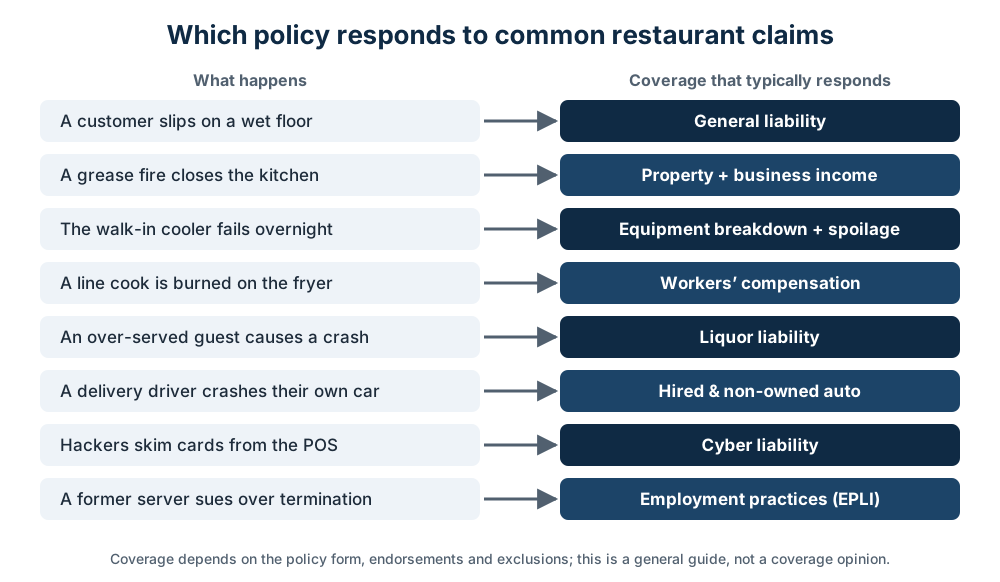
- Liquor liability — central for wine and cocktail programs; general liability typically excludes alcohol claims.
- General liability — covers guest injuries, tableside cooking accidents and allergen reactions.
- Commercial property at replacement cost — protects custom build-out, décor, china and glassware.
- Spoilage and stock valuation — protects cellared wine and premium ingredients from temperature failure.
- Business income and extra expense — sized to the time a custom rebuild really takes.
- Garagekeepers liability — covers damage to guests’ cars in your care if you run valet.
- Employment practices liability — addresses tip-pooling, scheduling and harassment claims.
- Workers’ compensation — required for every Connecticut employer.
- Umbrella liability — adds limits above liquor, general liability and auto for a high-exposure venue.
How underwriters look at an upscale restaurant
Pricing depends on food and alcohol sales split, the bar’s share of revenue, private event volume, hours, building age and protection, coastal location, valet exposure, payroll by class and loss history. A restaurant where alcohol is a large share of sales and events run late will be priced differently from one where wine is an accompaniment to dinner.
You can help: document server training and cut-off procedures, keep incident logs, use written event contracts, maintain cellar temperature alarms, service hood and suppression systems, and keep a current inventory of wine and valuable fixtures.
Comparing fine dining programs side by side
As an independent agency, Provident Financial Group puts one application in front of multiple carriers and shows you the options side by side. We handle certificates for landlords, event clients and valet vendors. Call (866) 964-6660. Coverage is subject to underwriting and policy terms. See our Connecticut restaurant insurance and Connecticut restaurant workers’ compensation pages too.
Frequently asked questions
Does the Connecticut dram shop cap limit how much liquor liability I need?
No. The statutory cap applies to dram shop claims, but reckless-service claims fall outside it and defense costs add up, so limits are usually set higher.
Is my wine collection covered if the cellar cooler fails?
Only if your policy covers spoilage from temperature change and values the stock properly. We check both before binding.
Who pays when a valet damages a guest’s car?
Garagekeepers coverage is designed for cars in your care. If you use a valet company, confirm it carries its own and names you on its certificate.
Does server training lower my liquor premium?
It is voluntary in Connecticut, but many carriers view documented training favorably when pricing liquor liability.
Protect the room you built. Get Multiple Quotes within minutes.