A restaurant changes constantly. Menus evolve, sales grow, staff turns over, and equipment gets replaced. Your insurance policy, however, is a snapshot taken when you last applied. Renewal is the natural moment to make sure that snapshot still matches reality. Here is a practical checklist to work through well before your policy expires.
Start Early
Many owners wait until a renewal notice arrives, which can leave little time to compare options or fix problems. Starting 60 to 90 days ahead often gives you room to gather information, ask questions, and, if needed, have your agent approach other carriers. Rushed renewals tend to produce rushed decisions.
Update Your Numbers
Insurers commonly rate restaurants using figures such as annual sales, payroll, and the share of revenue from alcohol. If those numbers have changed, your premium and sometimes your coverage may need to change too. Reporting them accurately matters, since underreporting can cause trouble at a later audit or claim.
Review your estimates of food and beverage sales, alcohol sales, catering or delivery revenue, and payroll by job type. Workers’ compensation premiums in particular are often based on payroll and may be adjusted by an audit after the policy period ends, so accurate records help avoid a surprise bill.
Review Your Property Values
Construction and equipment costs change over time. If you have remodeled, added a patio, bought a new hood system, or upgraded kitchen equipment, your building and contents limits may need to be revisited. Ask whether your policy values property at replacement cost or actual cash value, since the difference can be significant when you file a claim.
Also confirm your business interruption coverage. Consider how long it might take to rebuild or reopen after a covered loss, and whether the limit and the waiting period fit that timeline.
Revisit Your Liability Limits
Compare your general liability limits with the contracts you have signed. Landlords, event venues, and vendors often require specific limits, and some restaurants find that growth has outpaced the coverage they bought years ago. If you serve alcohol, confirm that liquor liability is in place and that the limit seems reasonable for your volume of service. An umbrella policy may be worth a conversation if a single large claim could threaten the business.
Tell Your Agent What Has Changed
Coverage questions often arise from things the insurer was never told. Before renewal, list anything new: a second location, a new concept, delivery or ghost kitchen operations, outdoor dining, live entertainment, late-night hours, catering, or a change in ownership. Also mention any claims or incidents, even small ones, and any safety improvements such as new fire suppression, cameras, or staff training.
Look Beyond Price
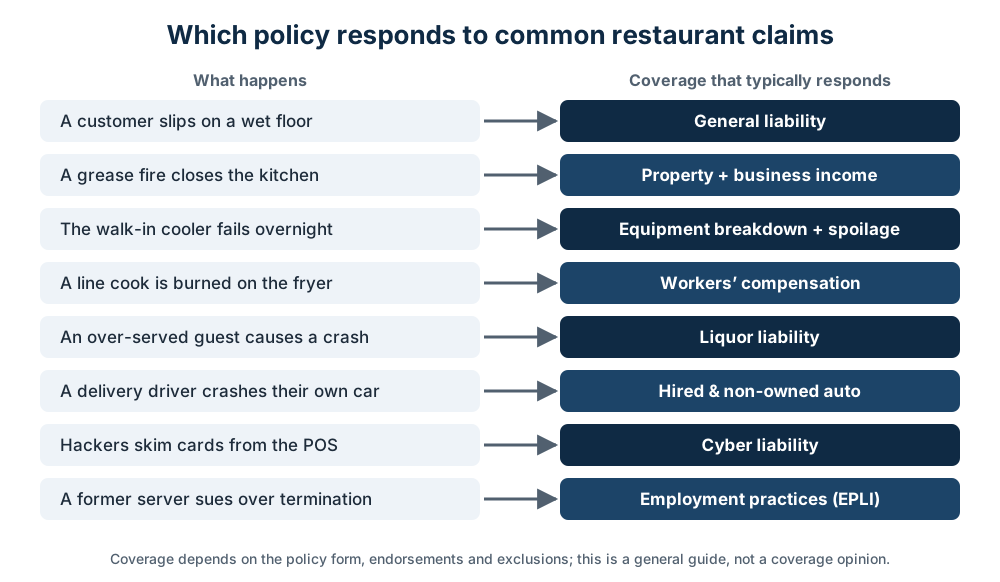
It is natural to focus on the premium, but two policies with the same price can differ in meaningful ways. Look at deductibles, exclusions, sublimits, and endorsements. Check whether coverage is included for items such as spoilage, equipment breakdown, employment practices, and cyber exposures, or whether they are left out. A lower premium that leaves a gap may cost more if a claim occurs.
Keep Your Records Tidy
Gather your current policies, loss runs, payroll reports, equipment lists, and any certificates of insurance you have issued. Having these ready can make the process smoother and may help an agent present your business well to carriers.
Work With an Independent Agent
An independent agent can compare options from multiple carriers, explain differences in plain English, and help you decide where to adjust coverage and where to hold steady. If your renewal is coming up, consider scheduling a conversation with an independent agent well ahead of time, so you can make decisions with confidence rather than under a deadline.