
Pizzerias in Vermont typically need general liability, hired and non-owned auto for drivers using their own cars, commercial property that covers the oven and hood system, workers’ compensation from the first employee, and liquor liability if you pour beer or wine. Vermont’s dram shop law is broad, and the state now ties licensing to carrying liquor liability insurance.
This guide is for slice shops, delivery-first pizzerias, wood-fired pizza restaurants and ski-town pizza bars. It focuses on the two exposures that separate a pizzeria from most restaurants: cars on winter roads and a very hot oven running twelve hours a day.
Delivery drivers and Vermont auto law
Vermont’s minimum auto liability under 23 V.S.A. § 800 is 25/50/10 (in thousands of dollars). Many delivery drivers carry little more than that, and personal auto policies commonly restrict or exclude coverage while a car is used for paid delivery. When a driver causes a serious crash on a snowy road, the injured party’s attorney looks past the driver to the pizzeria that sent them out.
Hired and non-owned auto liability protects the business when employees drive their own cars on your deliveries. A delivery car the pizzeria owns belongs on a commercial auto policy with limits well above the state minimum. Collect each driver’s declarations page and run motor vehicle records before anyone takes the keys; carriers will ask.
Beer, wine and Vermont’s liquor liability rules
If your pizzeria holds a Vermont liquor license, 7 V.S.A. § 501 lets any injured person sue a first-, third- or fourth-class licensee that unlawfully sold alcohol to a minor or after legal serving hours, or negligently served someone apparently under the influence when a reasonable and prudent person would have known. The statute sets no damages cap. The intoxicated person cannot sue, but everyone that person hurts can.
Two more Vermont specifics matter. All sellers and servers of alcohol must complete Department of Liquor and Lottery approved training before they start and retrain every two years. And a 2023 amendment (Act 17) added a requirement that first-, third- and fourth-class licensees carry liquor liability insurance meeting minimum coverage set by DLL rule, in consultation with the Department of Financial Regulation, before a license is issued or renewed. The minimum is set by rule and the timing has shifted, so confirm the current requirement with DLL before your next renewal. See our Vermont liquor liability guide.
Pizzeria claim scenarios worth planning for
- A 9 p.m. delivery on black ice. A part-time driver slides through a stop sign and hits a pedestrian. The driver’s personal policy pays its limit, then denies further coverage because of the delivery use. Without hired and non-owned auto, the pizzeria is exposed.
- Grease in the hood. Wood-fired and deck ovens push heat and soot into the exhaust; wing fryers add grease. A duct fire that spreads into a shared wall can close the shop for months.
- The after-bar crowd. A slice window open late in a college or ski town draws customers who have already been drinking. Fights, falls on icy steps and one more pitcher all land on your liability policies.
- Oven and peel burns. Forearm burns from a pizza peel, cuts from rocker knives and a slipping dough mixer are the everyday workers’ comp claims in a pizza kitchen.
- Walk-in failure on a Friday. Cheese, dough and toppings lost to a compressor failure before the busiest night of the week.
Coverage lineup for a Vermont pizzeria
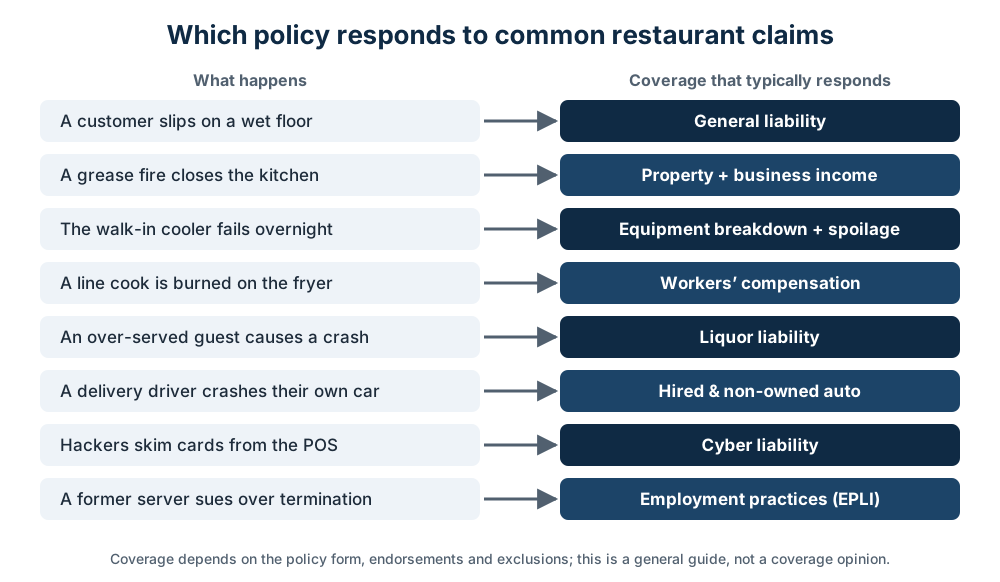
- General liability — slips on slushy floors, customer injuries and property damage claims.
- Hired and non-owned auto — the core protection for delivery done in employees’ cars.
- Commercial auto — any vehicle the business owns or leases.
- Liquor liability — required under Vermont’s newer licensing rule for covered licensees, and essential given the uncapped dram shop statute.
- Commercial property — ovens, hood and suppression system, walk-in, dining room build-out and inventory.
- Business income — lost profit and ongoing expenses while you rebuild after a fire or winter water loss.
- Equipment breakdown and spoilage — oven controls, mixers and refrigeration.
- Workers’ compensation — required from the first employee in Vermont.
- Umbrella — additional limits above auto and general liability, and liquor liability where the carrier allows.
How underwriters price a pizzeria
The biggest rating factors are delivery volume and driver count, cooking method (solid-fuel ovens draw more scrutiny than conveyor ovens), hood cleaning frequency, share of sales from alcohol, closing time, payroll by class code and prior losses. Older wiring, shared walls or no sprinklers push property rates up.
To improve pricing: keep a written driver policy with minimum age, clean MVR and personal auto requirements; document professional hood cleaning and suppression inspections; keep server training certificates current; and stop alcohol service well before close.
One application, many carriers
Provident Financial Group is an independent agency, so your pizzeria’s single application goes to multiple carriers and the quotes come back side by side. We point out where auto and liquor coverage differ, then issue live certificates of insurance for your landlord or event organizers after you bind. Call (866) 964-6660 with questions. All coverage is subject to underwriting and policy terms.
Frequently asked questions
Does my Vermont pizzeria’s general liability cover delivery accidents?
No. General liability excludes auto accidents. Delivery exposure needs hired and non-owned auto for employee cars, and commercial auto for vehicles the business owns.
Do my servers have to be trained to pour beer in Vermont?
Yes. Vermont requires DLL-approved training for all alcohol sellers and servers before they start, with retraining every two years.
Is liquor liability insurance mandatory for a Vermont pizzeria with a license?
Vermont law now requires covered licensees to carry liquor liability insurance meeting minimums set by DLL rule before issuance or renewal. Check the current rule with DLL, since the minimum and timing are set administratively.
Does a wood-fired oven make insurance harder to get?
It adds questions about clearances, ash disposal and hood cleaning, but many carriers write it. Documented maintenance makes a real difference.
Want to see how carriers price your pizzeria? Get Multiple Quotes within minutes.