
Fine dining restaurants in Kansas typically need liquor liability, a restaurant package policy with high property limits for build-out, wine inventory and specialty equipment, spoilage coverage for premium proteins, employment practices liability, and workers’ compensation once gross annual payroll passes $20,000. Kansas has no dram shop statute, but a full bar and private events still create real alcohol-related claim and defense exposure.
This page is for chef-driven and upscale restaurants in Kansas, from a tasting-menu room in Wichita’s Old Town to a steak and wine house in Leawood hosting rehearsal dinners. Guest checks are higher, the build-out is more expensive, and a single bad night can cost more than it would at a casual concept.
Alcohol law and licensing for Kansas fine dining
On-premise liquor licenses are issued by the Kansas Department of Revenue’s Division of Alcoholic Beverage Control. Kansas has no dram shop statute: in Ling v. Jan’s Liquors (1985) the Kansas Supreme Court refused to create liability for serving minors or intoxicated persons and left the matter to the legislature, which had repealed an earlier dram shop act in 1949. In Bland v. Scott (2005) the court again declined to create a third-party claim against suppliers of alcohol, including social hosts.
That legal backdrop helps, but it does not end the conversation. Licensees still face ABC administrative penalties, guests who were drinking still fall on stairs and get into altercations, and even a claim that ultimately fails costs money to defend. Kansas does not require liquor liability insurance by statute, but landlords, lenders and event venues regularly require it by contract, and on-premise licensees must post a Liquor Drink Tax bond with KDOR. Server training is voluntary; KDOR ABC offers optional licensee education visits. Our Kansas liquor liability guide goes deeper.
Workers’ comp is required once gross annual payroll exceeds $20,000, which a full front-of-house and kitchen brigade reaches almost immediately. See Kansas restaurant workers’ compensation.
Claims that hit upscale dining rooms
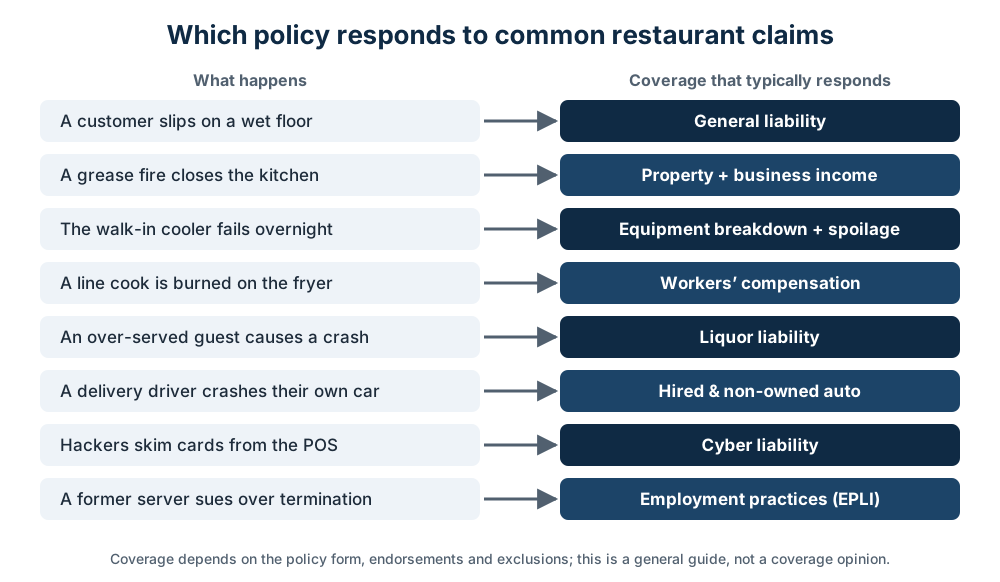
Consider a Saturday rehearsal dinner in your private room. A guest who has been served a cocktail flight and several glasses of wine misses a step leaving the mezzanine and breaks an ankle. Even without a dram shop statute, the family’s attorney may pursue a premises claim over the lighting and the stair nosing, and your general and liquor liability carriers will be the ones defending it.
Property losses are costlier here. A walk-in failure overnight can spoil dry-aged beef, fresh seafood and specialty cheeses in one hit. A hailstorm shatters the patio canopy and a window over the wine wall, and several cases of allocated bottles are damaged. A kitchen fire that starts in the broiler hood closes the room for weeks during wedding season, leaving you to cover payroll for a team you cannot afford to lose.
People risk rounds out the picture. Tip-pooling disputes, harassment complaints and wrongful termination claims come up more often in large, tipped staffs, and a valet who dents a guest’s car on the way to the lot creates a claim that general liability often excludes.
Coverage priorities for a Kansas fine dining restaurant
- Liquor liability — contract-required in most leases and the policy that defends alcohol-related injury claims.
- General liability — guest injuries, private-event incidents and property damage to others.
- Commercial property — high-value build-out, décor, furniture and specialty cooking equipment at replacement cost.
- Wine and spirits inventory — confirm limits reflect selling price or replacement value, not just what you paid.
- Spoilage and equipment breakdown — premium perishables and high-end refrigeration.
- Business income — keeps payroll and rent paid during a covered shutdown.
- Employment practices liability — wage, harassment and termination claims from a large tipped staff.
- Garagekeepers or valet coverage — damage to guest vehicles in your care.
- Umbrella — extra limits for a room that seats large parties and hosts events.
Pricing drivers for high-end restaurants
Carriers price fine dining on sales, the alcohol share of sales, liquor license type, hours, event volume, cooking methods (open flame, wood-fired grills, tableside flambé), building construction and fire protection, and prior claims. The value of your wine inventory and build-out drives property premium directly.
Strong presentations include documented server training even though Kansas does not require it, an incident log, clear event contracts that spell out who controls the bar, good stair and patio lighting, current hood and suppression records, and a wine inventory list with values. Written HR policies and a documented tip policy help on the employment practices side.
Building a fine dining quote with an independent agent
Provident Financial Group takes one application and compares multiple carriers that write upscale, alcohol-serving restaurants, then lays the options side by side so you can see differences in liquor limits, valuation of wine and spirits, and event coverage. After binding, live certificates of insurance are available for your landlord and event partners. Call (866) 964-6660 to talk it through.
Frequently asked questions
Do Kansas fine dining restaurants really need liquor liability without a dram shop law?
Not by statute, but most leases and lenders require it, and it pays to defend alcohol-related injury claims that are still filed. Many owners carry it for the defense coverage alone.
Is my wine cellar covered at what I would charge for it?
Only if the policy values it that way. Many policies default to cost, so ask about a selling price or replacement valuation for inventory.
Does my policy cover a private party hosted by a client?
Events you host and serve are generally part of your operations, but disclose your event volume to the carrier. If the client brings a separate bartender or caterer, get their certificate.
Are valet parking claims covered by general liability?
Usually not, because damage to vehicles in your care is commonly excluded. Garagekeepers or a valet endorsement fills that gap.
Planning a new menu, patio or event program? Get Multiple Quotes within minutes.