
Caterers in Vermont typically need general liability with products coverage, liquor liability if staff pour at events, hired and non-owned or commercial auto for the van, inland marine for equipment on the road, and workers’ compensation for every employee. Barn weddings, inn receptions and corporate retreats all require certificates of insurance, and Vermont’s dram shop law makes the alcohol side of an event a serious exposure.
This page is for full-service wedding caterers, drop-off corporate caterers, restaurants that cater on the side and bar-service companies working Vermont venues. Your risk moves with you: every event is a different kitchen, a different floor, a different crowd and a different set of contract demands.
Vermont licensing, alcohol and venue requirements for caterers
The Vermont Department of Health’s Food & Lodging Program licenses and inspects food service statewide, and its license types include a commercial caterer license. Expect an opening inspection before you operate and check with your town about any local permits.
Alcohol is where Vermont gets strict. 7 V.S.A. § 501 lets people injured by an intoxicated guest sue a first-, third- or fourth-class licensee that served a minor, served after legal hours or negligently served someone apparently intoxicated, with no damages cap in the statute. Act 17 of 2023 added a requirement that those licensees carry liquor liability insurance meeting minimums set by Department of Liquor and Lottery (DLL) rule before a license is issued or renewed; the minimum is set by that rule, and the effective timing has been revised, so confirm current requirements with DLL. Which license or permit a caterer needs for a given event is a DLL question to settle before you book the bar.
When the client supplies the alcohol and your staff simply pour it, the statute’s non-licensee social host rule generally limits statutory claims to knowingly furnishing alcohol to a minor, but common-law negligence claims remain possible, so you still want liquor coverage that fits how you actually serve. Every server must complete DLL-approved training and retrain every two years.
Event-day losses Vermont caterers actually see
A 180-guest wedding in a converted dairy barn is a good test case. A chafing-fuel canister tips during setup and scorches the venue’s antique floorboards; the venue’s contract makes you responsible, and damage to rented premises coverage matters. Later, a guest trips over an extension cord running to your warming cabinet and fractures an ankle. Two days after the event, a cluster of guests reports stomach illness traced to a cream sauce held too long in a cooling tent.
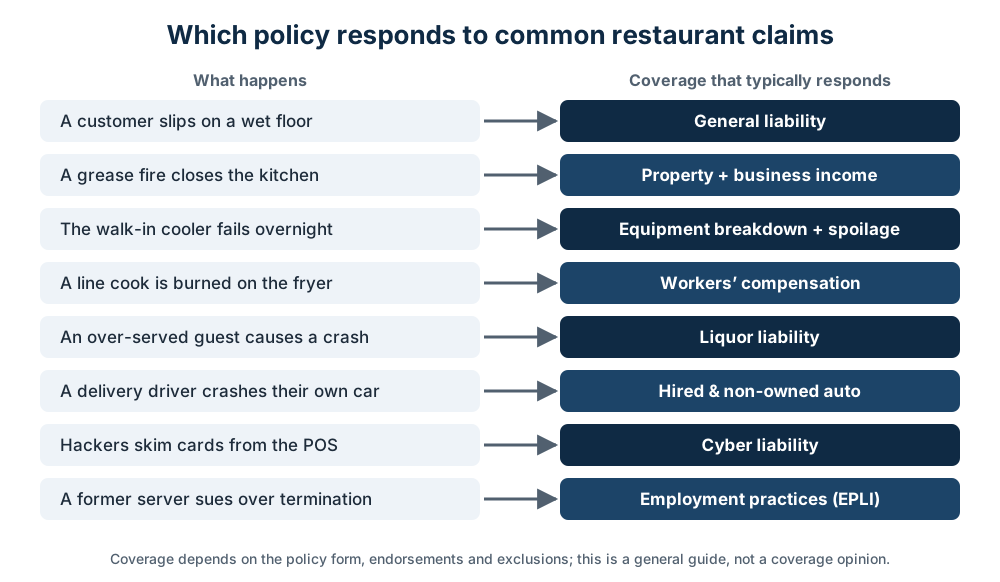
Road risk is constant. A server driving her own car to pick up ice rear-ends another vehicle on a slick back road, and the injured driver sues your business because she was on your errand—hired and non-owned auto coverage responds. Your own van needs commercial auto; Vermont’s minimum is 25/50/10 (in thousands of dollars), and many venues ask for much more. Equipment stolen from an unlocked trailer overnight at a resort, or a combi oven that slides into a ditch on a frost-heaved road, calls for inland marine coverage rather than property tied to your kitchen address.
Catering coverage checklist for Vermont events
- General liability with products-completed operations — guest injuries and illness from food you served.
- Liquor liability — for bartending services and licensed event service under § 501.
- Damage to rented premises — for harm to barns, inns and halls you work in.
- Hired and non-owned auto — for staff errands in personal vehicles.
- Commercial auto — for your owned vans and box trucks.
- Inland marine / equipment floater — chafers, ovens, tents and linens in transit and at venues.
- Commercial property and spoilage — your commissary kitchen, walk-in and stored food.
- Workers’ compensation — required with one or more employees, including part-time event staff.
- Umbrella liability — venues frequently ask for higher total limits than a primary policy provides.
Rating factors for a Vermont catering account
Carriers weigh gross receipts, the share of revenue from alcohol service, typical event size, whether you use open flame or on-site frying, how many events are off-premises, vehicle count and driver records, and loss history. A drop-off lunch caterer rates very differently from a full-bar wedding company.
To improve terms: keep DLL training certificates for every bartender, document temperature logs for hot and cold holding, use written event contracts that spell out who supplies alcohol, check driver records annually, lock trailers overnight, and collect certificates from rental companies and subcontracted bartenders.
How our agency handles catering quotes and certificates
Provident Financial Group is an independent agency, and US Restaurant Insure is its restaurant brand. One application goes to multiple carriers quoted through our agency, and we compare the options side by side. Once coverage is bound, you can request live certificates of insurance with the venue named as additional insured, often within the same business day. Call (866) 964-6660.
Frequently asked questions
Does a Vermont caterer need liquor liability if the couple buys the alcohol?
Usually it is still wise. Statutory social host claims are limited, but common-law negligence claims survive, and many venues require liquor coverage from anyone pouring.
Why does a wedding venue want to be an additional insured?
Being added gives the venue a direct right to coverage under your policy if a guest sues them over your service. Learn how additional insured endorsements work.
Are my chafers and ovens covered while I am at an event?
Standard property often limits coverage away from your premises. An inland marine or equipment floater is the usual fix.
Do part-time event servers count for workers’ comp in Vermont?
Yes. Vermont requires coverage for one or more full- or part-time employees.
Booking a busy wedding season? Get Multiple Quotes within minutes.