
Bars and taverns in Kentucky typically need four core coverages: liquor liability, general liability, workers’ compensation, and property with business income. Kentucky’s dram shop statute, KRS 413.241, can still reach a bar that serves a patron a reasonable person would recognize as already intoxicated, and workers’ comp is required from the first employee, including part-time and family help.
This page is for owners of neighborhood taverns, bourbon bars, sports bars, and late-night spots from Louisville and Lexington to Bowling Green and northern Kentucky. It explains how Kentucky law shapes your exposure and what a well-built bar program looks like, so you can compare carriers with the right questions in hand.
How Kentucky’s dram shop law treats bars and taverns
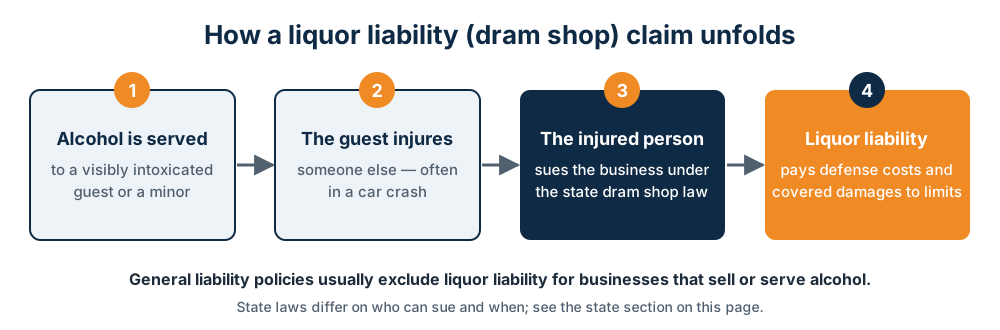
KRS 413.241 starts from a position that is friendlier to licensees than many states: it declares that drinking, not serving, is the proximate cause of an alcohol-related injury, and it makes the intoxicated person primarily liable to anyone they hurt. A licensee or its employees who serve someone of legal age are not liable for off-premises injuries unless a reasonable person in the same circumstances should have known the patron was already intoxicated when served.
That exception is where tavern lawsuits live. Plaintiffs’ attorneys build the case from bar tabs, point-of-sale timestamps, security video, and witness statements about slurred speech or stumbling. The statute’s protection also falls away entirely for anyone who forces drinks on a person or falsely tells someone a drink contains no alcohol, and Kentucky law sets no statutory cap on damages. Your general liability policy almost always excludes these claims for a business that sells alcohol, which is why a separate Kentucky liquor liability policy matters.
Kentucky’s Department of Alcoholic Beverage Control runs STAR server training, a three-hour course with a certificate that stays valid for three years, designed to help sellers and servers protect themselves from third-party liability. Whether your license or locality mandates it is something to confirm with Kentucky ABC, but carriers routinely ask whether your staff are trained, and documented training is one of the few things that helps both the defense of a claim and your pricing.
On the employment side, Kentucky requires workers’ compensation for employers with one or more employees, and part-time, temporary, and family workers count. A bar with two part-time bartenders and a weekend barback is squarely inside the requirement. Our Kentucky restaurant workers’ comp guide covers the details.
Where tavern claims actually come from
Over-service is the headline risk, but it is rarely the only one. A regular leaves after last call, runs a red light on Bardstown Road, and the other driver’s attorney subpoenas your tab showing six pours in ninety minutes. A shoving match over a pool table turns into a broken orbital bone, and the injured patron alleges your door staff escalated it. A guest slips on melted ice near the well during a packed college basketball watch party.
Property and income losses hit bars hard too. A walk-in cooler compressor fails on a Friday and takes the keg inventory with it. A back-bar fire from a neon sign transformer closes the room for weeks while the landlord rebuilds. A bartender alleges she was fired after complaining about harassment from a manager, which is an employment practices claim rather than a liability claim.
Kentucky bar coverage checklist
- Liquor liability — responds to claims that your service contributed to an injury, including assault and battery if the policy does not exclude it; read that wording closely.
- General liability — slips, trips, and injuries to guests that have nothing to do with alcohol, such as a collapsing barstool.
- Assault and battery coverage — many bar forms exclude fights or sublimit them; a tavern with a door crew should push for a meaningful limit.
- Workers’ compensation — mandatory from your first Kentucky employee and the answer to cut hands, burns from a dish machine, and back strains from hauling kegs.
- Commercial property — the bar build-out, coolers, draft system, furniture, and liquor stock.
- Business income — replaces lost profit and continuing expenses while a covered loss keeps you closed.
- Equipment breakdown and spoilage — for coolers, ice machines, and glycol draft systems that fail without warning.
- Employment practices liability — wrongful termination, harassment, and wage-related allegations from staff.
- Umbrella or excess liability — extra limits above liquor and general liability, often required by landlords of busier venues.
What moves a Kentucky bar’s premium
Underwriters look first at the share of revenue that comes from alcohol; a tavern selling mostly drinks is rated very differently from a restaurant with a bar. Closing time, live entertainment, dancing, cover charges, and occupancy all matter, as do security staffing and whether door staff are employees or contractors. Prior claims, years in business, and the building’s age and fire protection round out the picture.
You can influence several of these. Keep a written incident log, train every server through STAR or a comparable program, run ID scanners at the door, keep camera footage for a set period, and post a clear cut-off policy. Carriers reward bars that can show these controls on the application, and they help when a claim is defended.
Quoting your bar through an independent agency
Provident Financial Group is an independent agency, so one application for your Kentucky tavern goes to multiple carriers and specialty markets that write liquor liability. We lay the quotes side by side, point out differences in assault and battery wording and liquor limits, and issue certificates of insurance you can send to your landlord or a festival organizer the same day you bind. Call (866) 964-6660 or start online.
Frequently asked questions
Can a Kentucky bar be sued if a drunk patron causes a crash after leaving?
Yes. KRS 413.241 makes the intoxicated person primarily liable, but a licensee can still be liable for off-premises injuries if a reasonable person should have known the patron was already intoxicated when served.
Does STAR training lower my liquor liability cost?
Many carriers ask about server training and view documented programs favorably, though pricing depends on the full application. STAR certificates are valid for three years, so keep a roster of renewal dates.
Do I need workers’ comp for one part-time bartender?
Kentucky requires coverage for employers with one or more employees, and part-time workers count, so a single part-time bartender generally triggers the requirement.
Are bar fights covered under liquor liability?
It depends on the policy. Some liquor forms include assault and battery, others exclude it or cap it with a sublimit, so compare that language before choosing a carrier.
Want to see how carriers price your tavern? Get Multiple Quotes within minutes.