
Bars and taverns in Indiana typically need liquor liability, general liability with assault and battery coverage, commercial property with equipment breakdown, and workers’ compensation. Indiana’s dram shop law (IC 7.1-5-10-15.5) holds a server liable only with actual knowledge that a patron was visibly intoxicated, but defending that question is expensive, damages are uncapped, and covered employers must carry workers’ comp regardless of headcount.
This page is for owners of neighborhood taverns, sports bars, dive bars and cocktail rooms anywhere from Fort Wayne to Evansville where alcohol is most of the ticket. If you run a full-service restaurant with a bar, our Indiana restaurant insurance guide covers the broader picture. Here we focus on what changes when the bar is the business, and what underwriters look at first when they see a tavern application.
How Indiana law shapes a tavern’s insurance
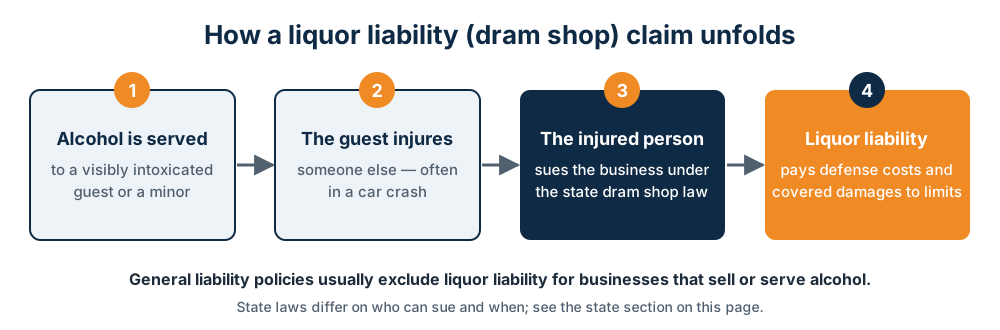
Under IC 7.1-5-10-15.5, a person who furnishes alcohol, which includes selling it, giving it away or otherwise providing it, is civilly liable only if they had actual knowledge the recipient was visibly intoxicated and the intoxication was a proximate cause of the death, injury or damage. An intoxicated adult 21 or older cannot sue you over their own injuries. That is a tougher standard for a plaintiff than the looser ‘should have known’ rules found elsewhere, but there is no statutory cap on damages, so when a claim does stick it can be large. Plaintiffs’ attorneys build the actual-knowledge case from tabs, POS timestamps, security video and bartender testimony.
The Indiana Alcohol and Tobacco Commission (ATC) requires alcohol servers at permitted establishments to complete an approved server training program within 120 days of starting employment, with a refresher every three years, and the employer must keep the records on file. Staff aged 18 to 20 must finish training before applying for a restricted employee permit. The ATC offers free online Certified Server Training, so gaps are hard to explain to an underwriter. Whatever your permit file says about insurance (confirm that with the ATC), landlords, lenders and event partners almost always require liquor liability by contract. Limits and structure are covered on our Indiana liquor liability page.
Workers’ comp is required for employers covered by the Worker’s Compensation Act (IC 22-3-5-1), and the statute sets no minimum employee count, so a tavern with two part-time bartenders is in. More detail is on our Indiana restaurant workers’ comp page.
Where bar claims actually come from
A regular closes out a long tab at 12:40 a.m., the bartender pours one more, and he rear-ends a minivan on the way home. The injured family’s lawyer subpoenas the POS log showing eight drinks in three hours and the camera footage of him swaying at the rail. That is the classic liquor liability claim, and the actual-knowledge defense lives or dies on what your staff saw and what they did about it.
Fights are the second big category. A doorman walks an unruly patron outside, the patron’s head hits the curb, and the suit names the bar for negligent security and excessive force. Many liquor and general liability forms exclude or sublimit assault and battery, which is why we check that wording first on every bar quote (see does liquor liability cover assault claims).
Then there is the everyday exposure: a wet floor during a packed trivia night, broken glass in the parking lot, a keg dropped on a barback’s foot, a walk-in cooler compressor dying on a holiday weekend, or a fryer fire in a bar that serves wings until close.
Coverage checklist for an Indiana bar
- Liquor liability — responds when a patron you served injures someone else; confirm assault and battery is included rather than excluded.
- General liability — slip-and-falls, trip hazards around pool tables and dart lanes, and guest injuries unrelated to drinking.
- Assault and battery coverage — often a separate endorsement for bars with door staff, late hours or live music.
- Commercial property — bar build-out, coolers, draft systems, furniture, POS hardware and liquor inventory.
- Equipment breakdown and spoilage — walk-in and draft-line cooler failures that ruin kegs and food.
- Business income — keeps rent and payroll moving if a fire or burst pipe closes the bar for weeks.
- Workers’ compensation — required for covered Indiana employers; pays for bartender cuts, back strains and injuries from breaking up fights.
- Employment practices liability — harassment, wrongful termination and wage disputes among a young, high-turnover staff.
- Umbrella — extra limits over liquor and general liability for high-volume bars or leases that demand them.
Why two taverns get different quotes
Carriers price bars mostly on liquor sales, the share of revenue that comes from alcohol versus food, closing time, occupancy, entertainment such as DJs, bands or pool leagues, security practices, and claims history. A bar open until 3 a.m. with a dance floor rates very differently from a pub that closes at ten and runs a real kitchen.
What helps: full server training compliance with certificates on file, a written cut-off policy, ID scanners, cameras covering the bar and entrances with footage retained, incident logs completed the same night, and door staff trained to de-escalate rather than go hands-on. Growing the food share of sales also tends to help, as does a clean loss history over the last several years.
Shopping your bar’s coverage with an independent agency
Provident Financial Group is an independent agency, so you complete one application and we compare quotes from multiple carriers side by side, including markets comfortable with late-night venues. You will see how each quote treats assault and battery, liquor limits and deductibles before you choose. Once bound, we issue live certificates of insurance your landlord, lender or festival organizer can receive the same day. Call (866) 964-6660 or start online.
Frequently asked questions
Can an Indiana bar be sued if a drunk customer hurts himself?
Under IC 7.1-5-10-15.5, an intoxicated person 21 or older cannot sue the furnisher for their own injuries. Claims usually come from third parties the patron injured, and those require showing your staff had actual knowledge the patron was visibly intoxicated.
Do my bartenders need Indiana server training?
Yes. Servers at permitted establishments must complete approved training within 120 days of hire and refresh every three years, and 18- to 20-year-olds must finish it before applying for a restricted employee permit. Keep the certificates on file for the ATC and your underwriter.
Does general liability cover a bar fight?
Often not fully. Many policies exclude or limit assault and battery, so bars usually need that coverage added by endorsement or built into the liquor form.
I own the bar and tend it myself. Do I need workers’ comp?
Sole proprietors, partners and LLC members are not covered unless they elect coverage in writing, but once you hire employees, coverage is required. Some owners elect in so their own work injuries have a benefit.
Running a tavern in Indiana? Get Multiple Quotes within minutes. Or call (866) 964-6660 to talk it through with an agent.