
Fine dining restaurants in Delaware typically need liquor liability, a restaurant package with property limits high enough for a custom build-out and wine inventory, spoilage and equipment breakdown for premium ingredients, employment practices liability, and workers’ compensation from the first hire. Alcohol is often a large share of sales, so how the liquor policy is written deserves as much attention as the property side.
This page is for chef-driven and white-tablecloth restaurants: tasting-menu rooms in Wilmington, steakhouses along the Route 202 corridor and seasonal destination restaurants in Rehoboth and Lewes. The goal is to explain how Delaware law shapes your policy and where upscale operations tend to have gaps.
Delaware liquor law for a wine-driven dining room
Delaware has no dram shop liability. In McCall v. Villa Pizza, Inc. (1994), the Delaware Supreme Court held there is no statutory or common law cause of action against a seller by a patron or third party injured off the premises by an intoxicated patron, and left the issue to the General Assembly. That is a real difference from Pennsylvania and Maryland next door.
Liquor liability still matters for a fine dining room. A guest who falls on your stairs after a wine pairing can bring a claim, lawyers sometimes sue on other theories, the legislature could change the rule, and every lawsuit needs a defense whether or not it succeeds. Most general liability forms exclude liquor claims for businesses that sell alcohol, and landlords and lenders often require the coverage. Delaware also requires state-approved server training for anyone who sells, serves or dispenses alcohol and their managers, renewed every two years, so sommeliers and captains need current cards. Details are on our Delaware liquor liability page.
If you are thinking about a BYOB night, note that a for-profit establishment in Delaware may not let guests bring alcohol without a Bottle Club license from the Office of the Alcoholic Beverage Control Commissioner.
Upscale-room exposures carriers look for
- A server drops a flaming tableside dessert and the fire singes a guest’s jacket and hair.
- A tasting menu with a hidden shellfish stock is served to a guest who disclosed an allergy when booking.
- A power outage during a coastal storm warms the dry-aging cabinet and a week of prime beef is lost.
- A former line cook alleges harassment by a chef and files an employment claim.
- A valet attendant scrapes a guest’s luxury car in the lot, and the guest expects the restaurant to pay.
Policies a Delaware fine dining restaurant should carry
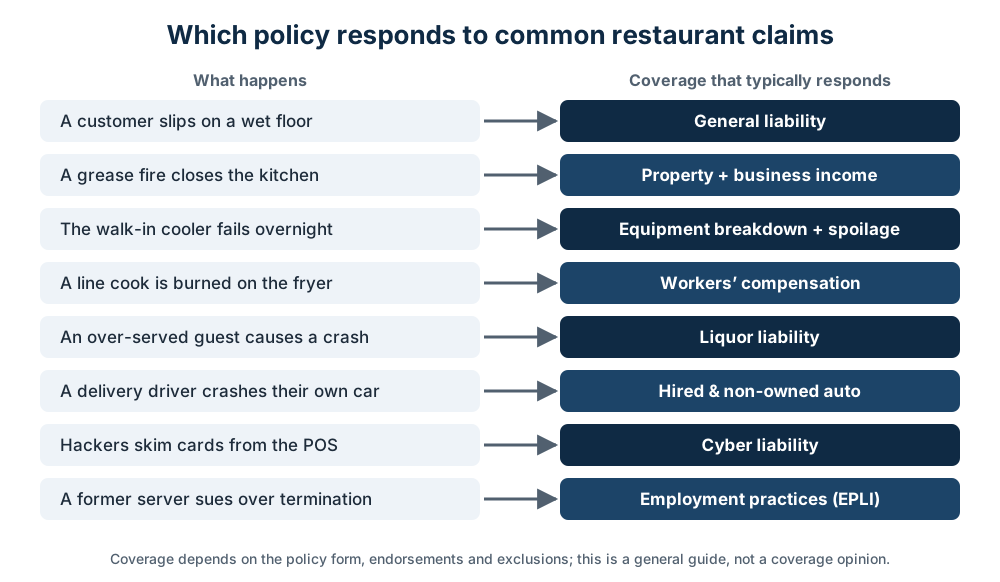
- Liquor liability — responds to alcohol-related claims and defense costs that general liability typically excludes.
- General liability — for guest injuries, food illness and damage to others’ property.
- Commercial property with high improvements limits — custom millwork, lighting and kitchen build-outs cost more to replace than most owners estimate.
- Wine and spirits valuation — confirm how the policy values your cellar, since selling price and cost can differ widely.
- Spoilage and equipment breakdown — protects dry-aged proteins, seafood and the refrigeration keeping them cold.
- Employment practices liability — addresses harassment, discrimination and wrongful termination claims.
- Garage keepers or valet coverage — if you run or contract valet parking.
- Workers’ compensation — required in Delaware from the first employee.
What makes fine dining premiums rise or fall
Underwriters weigh alcohol as a share of sales, late hours, tableside flame service, whether you host private events or live music, building construction and sprinklers, improvements value, employee count and turnover, and prior claims. Coastal locations draw extra attention to wind and flood. Documented server training, a written incident log, strong allergen communication between front and back of house and clear valet contracts all help your submission.
Our process for placing a fine dining account
Provident Financial Group is an independent agency, so one application goes to multiple carriers and we compare terms side by side, including liquor limits, wine valuation and EPLI. We can issue certificates for landlords, event clients and valet vendors quickly. Call (866) 964-6660. Coverage is subject to underwriting and policy terms.
Frequently asked questions
Should a Delaware fine dining restaurant with no dram shop exposure carry high liquor limits?
Limits are a judgment call, but defense costs and on-premises claims remain, and many leases specify a minimum. We can show you what several carriers charge for different limit options.
How is my wine cellar valued after a fire?
It depends on the policy wording. Some pay replacement cost, some pay your purchase price, and some offer a selling price endorsement, so confirm before a loss.
Is valet damage covered by my general liability?
Usually not, because damage to cars in your care is typically excluded. Garage keepers coverage or a properly insured valet contractor fills that gap.
Do my sommelier and bar staff need Delaware server training?
Yes. Anyone who sells, serves or dispenses alcohol, and their managers, must complete state-approved training and renew it every two years.
Want a side-by-side look at fine dining coverage? Get Multiple Quotes within minutes.