
Pizzerias in Kansas typically need hired and non-owned auto liability for delivery drivers, general liability, property coverage for ovens and refrigeration, and workers’ compensation once gross annual payroll exceeds $20,000. Shops that run company delivery cars need commercial auto meeting the Kansas 25/50/25 minimum plus required PIP and uninsured motorist coverage, and pizzerias pouring beer should add liquor liability.
This page is for independent pizza shops, carryout and delivery kitchens, wood-fired pizzerias, and family pizza restaurants in Kansas towns and suburbs. For most pizzerias, the car leaving the parking lot with a hot bag on the seat is the single largest liability exposure, and it is the one owners most often leave uninsured.
Kansas driving, alcohol, and payroll rules for pizza shops
Kansas is a no-fault auto state. Under K.S.A. 40-3107(e), auto liability policies must carry at least 25/50/25 (in thousands of dollars), and the Kansas Insurance Department requires personal injury protection and uninsured/underinsured motorist coverage as well. Those are the rules for any vehicle your pizzeria owns. When drivers use their own cars, their personal policies may exclude delivery for pay, which leaves the business exposed unless you carry hired and non-owned auto liability.
If you sell beer or wine, you’ll need a license through KDOR’s Alcoholic Beverage Control division. On-premise licensees post a Liquor Drink Tax bond, but Kansas has no statutory requirement to carry liquor liability, and no dram shop statute: the Kansas Supreme Court declined to create seller liability in Ling v. Jan’s Liquors (1985). Your landlord may still require the coverage, and it is inexpensive protection against alcohol-related claims that get filed anyway.
Workers’ comp applies once gross annual payroll exceeds $20,000 in a calendar year. A pizzeria with a handful of drivers and cooks will cross that threshold quickly, and drivers count as employees for comp purposes when they are on your payroll.
Where pizza shops take their losses
- A driver running a Friday-night rush order rolls through a stop sign and T-bones another car; the other driver’s injuries far exceed the delivery driver’s personal policy.
- A driver is robbed at gunpoint on a late delivery and needs treatment and time off, a workers’ comp claim that also raises questions about late-hour delivery zones.
- A cook’s forearm touches the deck of an 800-degree oven while pulling a pie with a short peel.
- A cheese slicer’s guard is removed for cleaning and not reinstalled, and a prep cook loses a fingertip.
- A customer bites into a slice with a piece of the metal pizza cutter blade in it.
- Hail cracks the glass storefront and damages the exterior condensing unit for the walk-in.
Pizzeria coverage list for Kansas operators
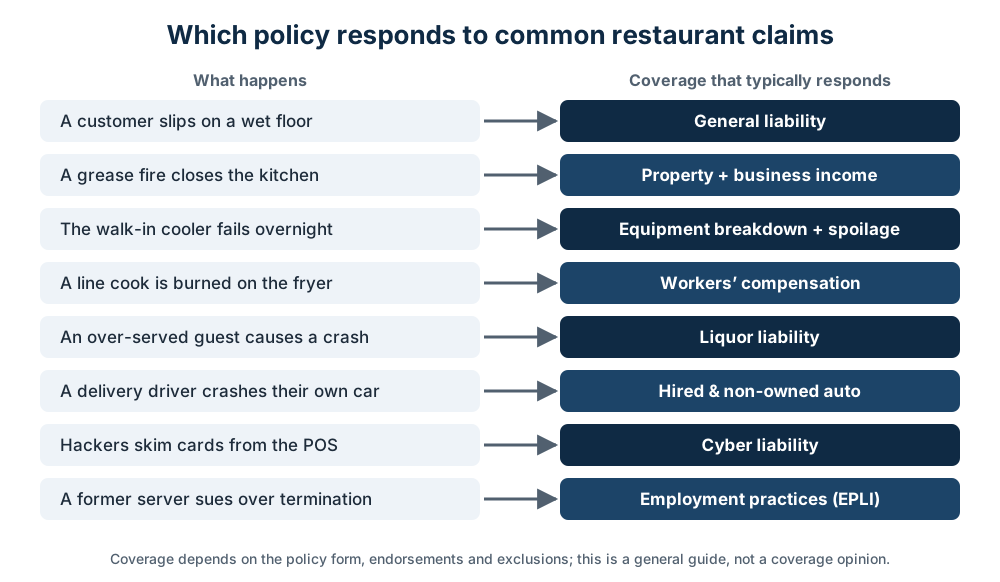
- Hired and non-owned auto liability — protects the pizzeria when employees deliver in their own vehicles.
- Commercial auto — for shop-owned delivery cars, with limits above the Kansas minimums plus PIP and UM/UIM.
- General and products liability — customer falls and foreign-object or illness claims.
- Liquor liability — if you serve beer or wine on site.
- Property — ovens, dough mixers, walk-ins, POS systems, and tenant improvements against fire, wind and hail.
- Equipment breakdown and spoilage — walk-in failures and cheese and dough losses.
- Workers’ compensation — required above the payroll threshold; covers kitchen staff and delivery drivers.
- Cyber liability — online ordering platforms and stored customer data.
How delivery volume shapes pizzeria pricing
Delivery is the lever that moves a pizzeria’s premium the most: carriers ask how many drivers you have, their ages and driving records, delivery radius, late-night hours, and whether you use third-party apps. Kitchen pricing depends on oven type (wood-fired and coal ovens are rated differently), hood suppression, cooking methods such as frying wings, sales volume, and claims history.
To improve your standing, pull motor vehicle records on every driver before hire and annually, set a written delivery policy covering phones and speed, verify each driver’s personal auto limits, keep hoods cleaned on schedule, and train on slicer guards and lockout. Limiting late-night delivery zones can help both safety and pricing.
Shopping your pizzeria with multiple carriers
Provident Financial Group is an independent agency. We send one application to multiple carriers that are comfortable with delivery operations and compare auto, liability, and property terms side by side. Your landlord’s certificate can go out as soon as coverage is bound. Call (866) 964-6660 to walk through your delivery setup.
Frequently asked questions
Are my drivers’ personal auto policies enough for pizza delivery in Kansas?
Often not. Many personal policies exclude delivering for pay, so the pizzeria should carry hired and non-owned auto liability at a minimum.
Is a driver who is robbed on delivery covered by workers’ comp?
Injuries employees suffer in the course of their work, including assaults during deliveries, are generally covered by workers’ comp, subject to Kansas law and policy terms.
Do Kansas pizzerias that serve beer need liquor liability?
It is not required by state statute, but landlords often require it, and it defends alcohol-related claims. It is usually worth adding.
Does using a third-party delivery app remove my auto exposure?
It shifts some of it, but not all. Review the app’s contract and keep hired and non-owned auto in place if any of your staff ever deliver.
Running delivery tonight? Check your coverage first. Get Multiple Quotes within minutes.