If your restaurant serves beer, wine, or spirits, alcohol is probably one of your best profit centers. It is also one of your biggest liability exposures. When a guest leaves your dining room and causes harm after drinking, the legal system in many states can look back to the establishment that served them. Liquor liability insurance exists for exactly that moment, and understanding how it works should be on every owner’s checklist.
What Is Liquor Liability Insurance?
Liquor liability insurance helps protect businesses that sell, serve, or furnish alcohol against claims arising from intoxicated patrons. That can include bodily injury or property damage caused by a guest after they were served, as well as the legal costs of defending the claim, which can be substantial even when the claim ultimately fails.
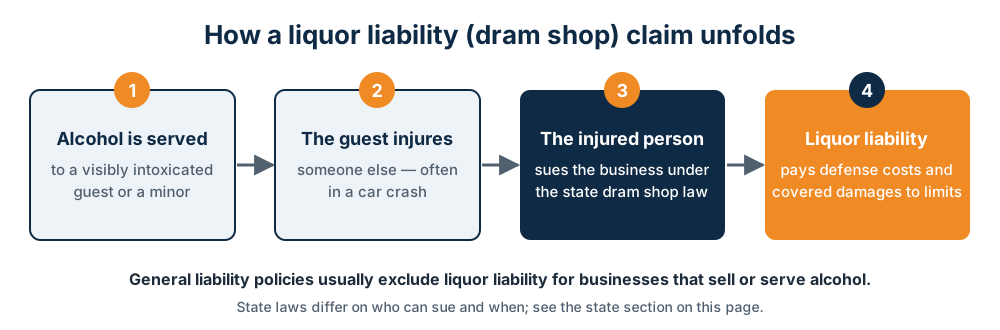
Here is the detail that surprises many owners: a standard general liability policy typically excludes liquor liability for businesses in the business of serving alcohol. If you sell alcohol and rely on general liability alone, you may have a significant gap exactly where your risk is highest.
Dram Shop Laws Vary by State
Most states have some version of a dram shop law, which allows injured third parties to bring claims against establishments that served a visibly intoxicated person or a minor. The details differ widely: some states cap damages, some limit claims to service of minors, and a few have no dram shop liability at all. Your exposure, and often your insurance requirements, depend heavily on where you operate. Many states and some liquor license authorities require proof of liquor liability coverage as a condition of the license itself.
What a Policy Commonly Covers
Policies commonly respond to third-party bodily injury claims, such as a guest injured by an intoxicated patron in your parking lot or a driver hit by someone who was overserved. They also typically address property damage claims and the cost of legal defense. Some policies include assault and battery coverage, which matters for establishments with late hours or bar-heavy service, though it may be sublimited or excluded, so it deserves a close look.
What Affects the Price
Underwriters look at the ratio of alcohol sales to total revenue first. A family restaurant doing 15 percent of revenue in wine and beer is a very different risk than a late-night venue doing 70 percent in spirits. Hours of operation, entertainment, security practices, claims history, and your state’s dram shop environment all factor in. Premiums are typically calculated against your alcohol receipts, so accurate sales projections keep you from overpaying or facing an audit surprise.
Ways to Reduce Your Risk (and Often Your Premium)
Insurers reward operations that take service seriously. Formal server training programs teach staff to check IDs, recognize signs of intoxication, and cut off service safely. Written alcohol service policies, incident logs, camera coverage, and a relationship with local ride services all demonstrate a culture of responsible service. Beyond premium savings, these practices are your best defense if a claim ever goes to court, because they show your team did what a reasonable operator should do.
Getting the Coverage Right
Liquor liability should be coordinated with your general liability, property, and umbrella coverage so the policies fit together without gaps or overlaps. Limits should reflect your real exposure: a single serious auto injury claim can exceed a basic limit quickly, which is why many operators add an umbrella policy over the top.
Every restaurant’s alcohol program is different, and no article can tell you exactly what your policy covers; the policy language controls. If you would like a plain-English review of your current coverage, or want to compare liquor liability quotes from carriers that specialize in food service, our team is happy to help. Reach out for a free, no-obligation review and pour with a little more peace of mind.